Why Layering Is the Secret Weapon for Evening Transformations
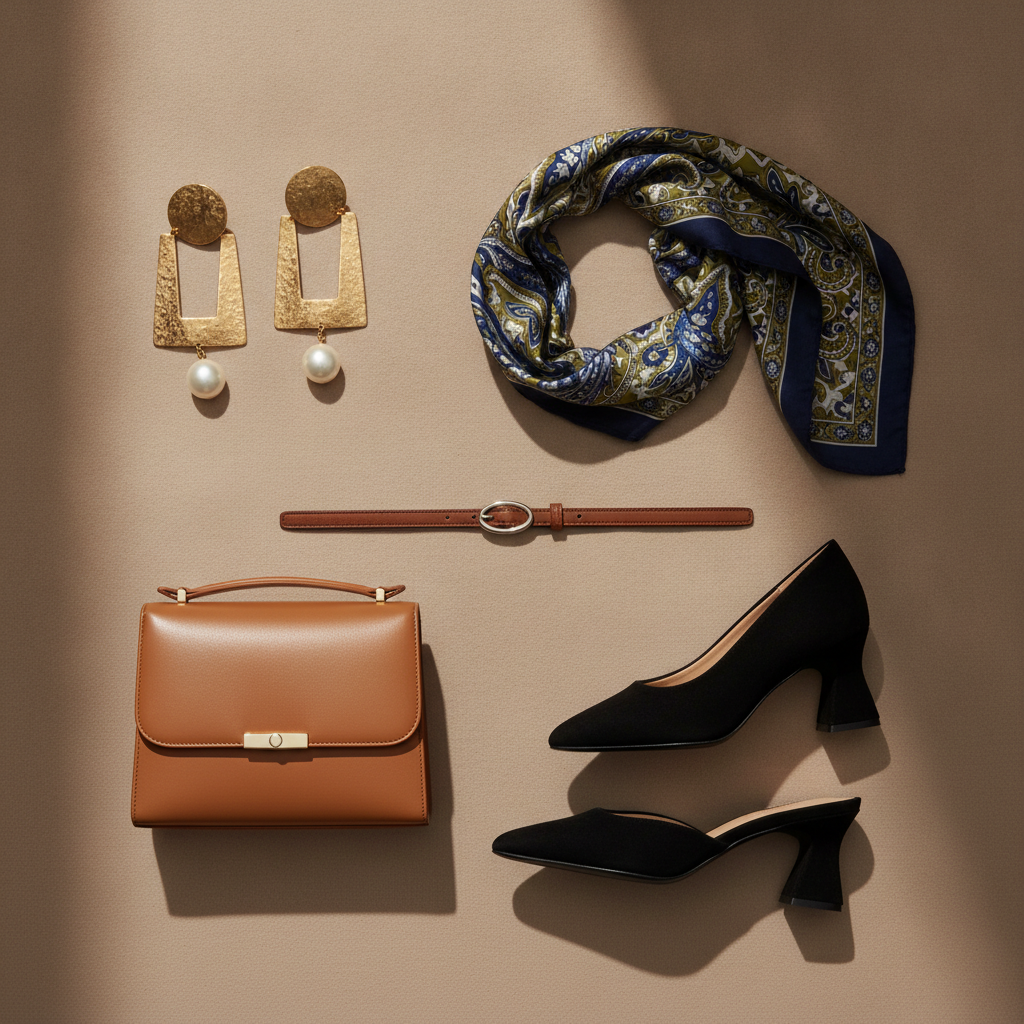
When you’re racing from a 5 PM meeting to a 7 PM dinner reservation, changing your entire outfit isn’t always practical. This is where mastering layering accessories for evening outfit changes become essential. Unlike swapping shoes or jewelry, layering pieces like scarves, belts, and light jackets can completely reshape the silhouette of your look, adding dimension, color, and polish without requiring a wardrobe change at all.
The beauty of layering lies in its versatility. A single scarf or belt can transform a boxy blazer into something fitted and intentional, while a well-chosen jacket can bridge the gap between boardroom professionalism and evening ease. If you haven’t yet explored the full range of accessory strategies, our complete guide to instant outfit transformations with accessories offers a broader foundation before diving into these specific layering tricks.
Cinching Blazers with Statement Belts
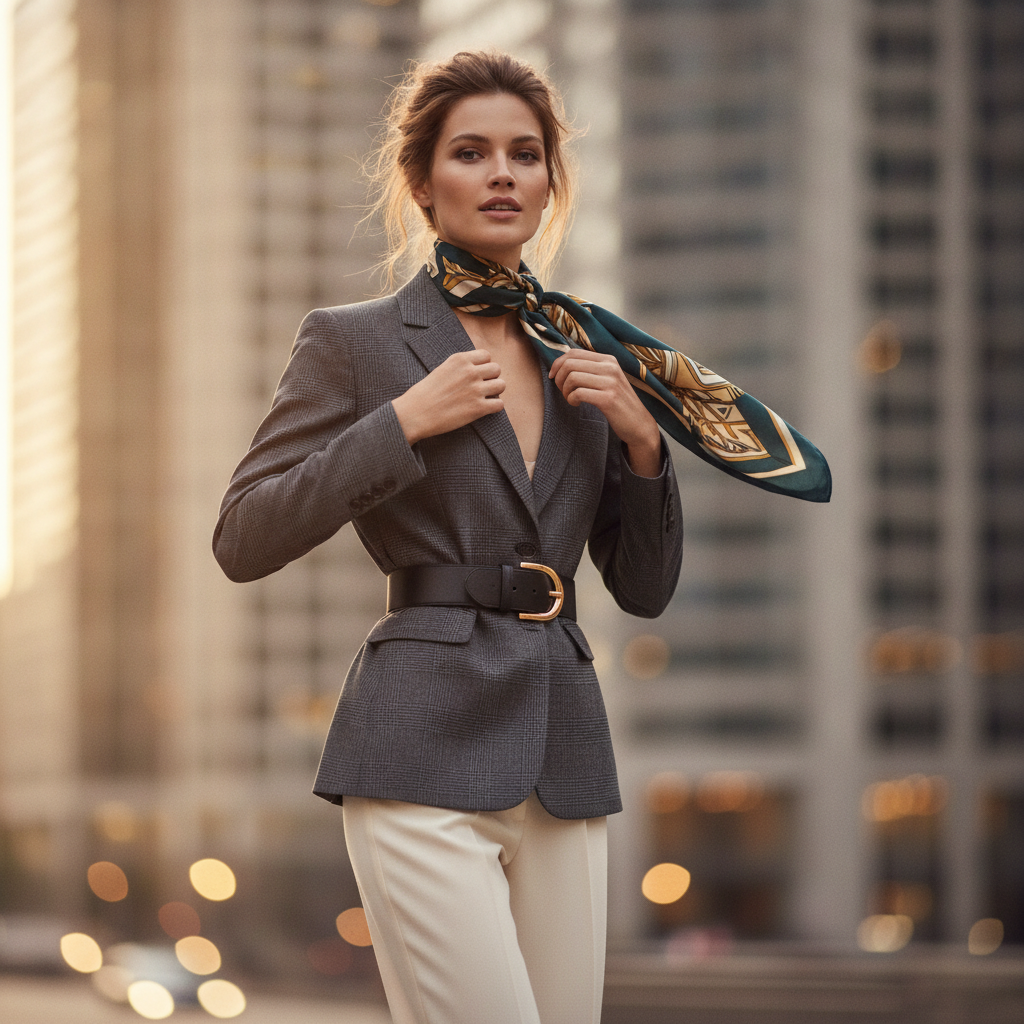
One of the fastest ways to redefine your work silhouette is by adding a belt to your blazer. Most blazers are cut with a straight, professional line, which is perfect for the office but can feel shapeless in a social setting. By cinching the waist with a structured or statement belt, you instantly create curves and draw attention to your midsection, giving the entire outfit a more fashion-forward, going-out feel.
Choosing the Right Belt Width and Texture
Wide belts, particularly in leather or suede, tend to make the biggest visual impact and work best over open blazers or cardigans. If your blazer is more fitted, a slim belt in a metallic or embellished finish can add just enough sparkle without overwhelming the look. Consider keeping one versatile belt in your desk drawer or bag specifically for this purpose, that way, the swap takes seconds.
Belting Over Dresses and Tunics
This trick isn’t limited to blazers. A shift dress or tunic that reads as conservative during the day can become distinctly evening-appropriate once belted at the waist. This small adjustment adds shape and signals a shift in styling intention, even though the base garment hasn’t changed.
Draping Scarves for Instant Texture and Color
Scarves are often underestimated as an evening styling tool, but they offer an easy way to introduce texture, pattern, and color to an otherwise neutral work outfit. A silk scarf tied loosely around the neck adds a touch of elegance, while a chunkier knit or fringed style can bring a more relaxed, bohemian energy suited to casual dinner spots.
Draping Techniques Worth Knowing
The way you drape a scarf matters just as much as the scarf itself. A simple loop-and-tuck creates a polished, structured look ideal for upscale settings, while an asymmetrical drape over one shoulder feels more casual and modern. For those who want a quick win, tying a scarf around the handle of your bag also adds a pop of color without any fuss, and it pairs nicely with the swap discussed in our piece on the one bag swap that instantly elevates your work outfit for dinner.
Pairing Scarves with Necklines
Consider your neckline when choosing a scarf style. Crew necks and turtlenecks pair beautifully with draped or looped scarves, while V-necks and collared shirts benefit from a loosely knotted scarf that sits just below the collarbone. This attention to detail ensures the scarf enhances rather than competes with your outfit’s existing lines.
Choosing Versatile Outerwear That Transitions Seamlessly
A third layering strategy involves swapping your daytime coat or blazer for a lighter, more evening-appropriate jacket. Structured blazers read as corporate, but a soft moto jacket, a cropped denim jacket, or a tailored trench in a rich color can instantly shift the tone of your outfit toward something more social and relaxed.
What Makes a Jacket Versatile
The best transitional jackets share a few qualities: they’re lightweight enough to layer easily, they have a silhouette that works with both trousers and skirts, and their color or fabric feels a step more elevated than typical officewear. Leather and faux-leather jackets are particularly effective because they add an edge that reads as intentional rather than accidental.
Layering Jackets Over Existing Outfits
Rather than removing your blazer entirely, some professionals choose to layer a light jacket over it for added texture and warmth, especially during cooler months. This double-layer approach can look effortlessly stylish when the two pieces contrast in fabric, such as a structured blazer under a soft knit cardigan or an unstructured jacket.
Seasonal Adaptations for Layering Swaps
Layering accessories for evening outfit transitions should adapt with the seasons to remain both stylish and practical. In colder months, opt for wool or cashmere scarves and heavier belts that also serve a functional purpose, keeping you warm as temperatures drop after sunset. Outerwear should lean toward wool coats or structured jackets that offer real insulation.
During warmer seasons, lightweight silk or linen scarves work best, offering visual interest without added bulk or heat. Belts can shift toward woven or braided textures in lighter colors, and outerwear might be swapped for a lightweight blazer or an open kimono-style layer that adds movement and flow rather than warmth.
Bringing It All Together
The power of scarves, belts, and layered jackets lies in their ability to transform an outfit’s entire mood without requiring a bag full of backup clothing. By keeping one or two versatile layering pieces on hand, you can move confidently from desk to dinner in minutes. For a fuller transformation, consider pairing these layering swaps with the strategies covered in our guides on statement earrings and necklaces and the shoe swap strategy for post-work dinner plans, creating a complete head-to-toe evening refresh.